[Written By External Partner]
With cyber threats escalating in sophistication, entities across industry sectors are enhancing digital security protocols. A crucial security enhancement is two-factor authentication (2FA). This authentication mechanism necessitates multiple identity verification steps, significantly reducing unauthorized access probabilities.
Corporate entities acknowledge 2FA’s necessity for not only cybersecurity enhancement but also customer trust retention and regulatory compliance adherence. As a result, businesses are incorporating this protocol into their systems to secure sensitive data and mitigate security violations.
Operational Efficacy of 2FA in Multi-Industry Applications
Entities in varied sectors recognize 2FA as a pivotal countermeasure against cybersecurity threats. Financial institutions use 2FA to prevent fraudulent account access via compromised credentials. Healthcare infrastructures integrate 2FA to protect confidential patient records. Educational institutions implement it for safeguarding academic databases and administrative control points. The iGaming sector, characterized by frequent digital transactions and high-value data storage, mandates 2FA implementation.
Online gaming and betting platforms manage substantial monetary transfers and user information, rendering them susceptible to cyber-attacks. The additional authentication layer ensures user accounts remain protected, reducing fraudulent activities, and reinforces consumer trust in platform integrity so they can enjoy the fast withdrawals, generous bonuses, and cashback offers they provide with peace of mind (source: https://www.klikkikasino.com/).
Government institutions and defense systems increasingly integrate 2FA to prevent unauthorized data retrieval. By enforcing strict authentication policies, these agencies maintain national security integrity, preventing cyber espionage risks.
Structural Functionality of 2FA and Its Defensive Attributes
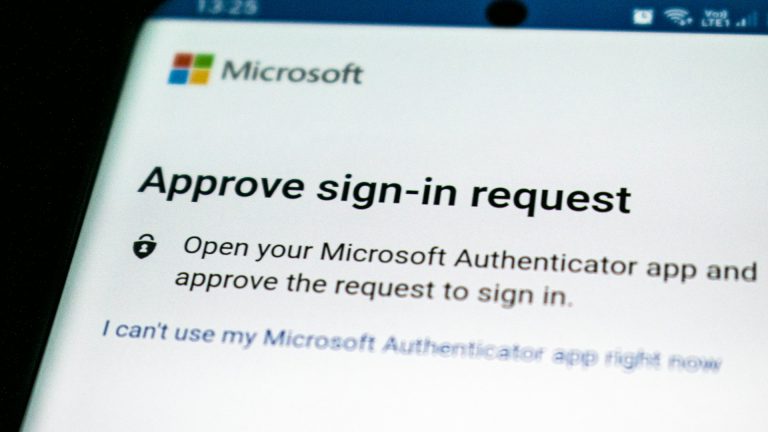
Traditional authentication methods depend exclusively on password credentials, whereas 2FA introduces a secondary authentication factor. This may include temporary passcodes delivered via text, dedicated authentication applications, biometric recognition (fingerprint, facial scan), or cryptographic hardware tokens. That means even if a malicious entity acquires primary access credentials, it will remain incapable of bypassing the secondary verification stage, thereby strengthening system integrity.
2FA mitigates vulnerabilities associated with password reuse. Statistical data indicate approximately over 70% of users employ identical passwords across multiple services, heightening cyber-attack exposure. Password theft incidents from data breaches provide cybercriminals with unauthorized access opportunities. However, the additional 2FA security layer nullifies the effectiveness of stolen credentials, enhancing system resilience.
Additionally, 2FA prevents phishing schemes. Cybercriminals frequently manipulate users into divulging authentication data through deceptive electronic correspondence and counterfeit web interfaces.
Even if authentication credentials are compromised, the 2FA protocol prevents unauthorized infiltration by requiring an additional verification phase. Organizations that use advanced AI-driven detection mechanisms within 2FA further decrease the likelihood of credential misuse.
Technological Evolution and Enhancement of 2FA Mechanisms
Organizations are progressing towards advanced authentication models in response to cyber threats. Text-based OTPs, while historically prevalent, show security vulnerabilities such as SIM swapping exploits and allowing unauthorized access to communication channels. Enterprises are transitioning towards more advanced authentication models, including application-based authenticators, biometric recognition frameworks, and hardware security modules.
Biometric authentication adoption is accelerating. Fingerprint scans, facial recognition algorithms, and vocal authentication systems are increasingly integrated into security frameworks.
These biometric security mechanisms are an enhanced authentication standard, reducing the likelihood of repeat or fraudulent exploitation by cybercriminals. Leading technology firms have integrated biometric security within mobile devices, computing systems, and financial transaction platforms, optimizing security without compromising usability.
Additionally, artificial intelligence (AI)-driven adaptive authentication systems are emerging. These solutions evaluate risk factors, including behavioral analytics, device signatures, and geospatial verification. If abnormal activity is detected, the system enforces additional verification parameters or preemptively blocks access attempts.
AI-driven 2FA enhances security adaptability while optimizing user interaction efficiency. Predictive analytics further augment these systems, allowing organizations to preemptively address authentication vulnerabilities before exploitation occurs.
Regulatory Compliance and Trust-Driven Adoption of 2FA
Beyond cybersecurity reinforcement, enterprises use 2FA to strengthen reputational credibility and align with regulatory mandates. Today’s consumers expect heightened cybersecurity awareness and gravitate toward businesses that prioritize data protection. 2FA adoption signifies a commitment to customer security, fostering trust, and enhancing corporate reputation.
Regulated industries, including financial and healthcare sectors, operate under stringent compliance frameworks necessitating advanced security implementations. Regulatory directives such as the General Data Protection Regulation (GDPR) and the Health Insurance Portability and Accountability Act (HIPAA) mandate rigorous data protection procedures.
Non-compliance with these mandates incurs significant financial penalties and reputational damage. 2FA facilitates compliance with these security requirements while mitigating breach exposure. Businesses prioritizing cybersecurity sustain higher customer retention rates. That’s because consumers show a preference for service providers demonstrating robust security practices.
Security breaches, on the other hand, prompt consumer skepticism, attrition, and financial liabilities. This principle is especially relevant to digital commerce and financial technology entities, where secure authentication directly correlates with user confidence. Additionally, social media and cloud-based service providers have embraced 2FA implementation to mitigate account hijacking risks.
Strategic Implementation of 2FA in Organizational Frameworks
Businesses that have not yet integrated 2FA can seamlessly incorporate authentication enhancements. Many platforms offer interoperable authentication services that integrate into existing security infrastructures. Available solutions include text-based OTPs, push notifications, and mobile authentication apps, each tailored to operational security needs.
Some authentication providers offer scalable 2FA solutions with regulatory compliance compatibility. These services ensure seamless integration while aligning with jurisdictional security regulations. This adaptability allows businesses to implement optimal authentication mechanisms suited to their day-to-day operational needs.
Despite verifiable benefits, certain businesses show reluctance towards 2FA adoption, citing user experience concerns. However, advancements in authentication technology have streamlined user interaction.
Innovations such as single sign-on (SSO) integration and passwordless authentication methods facilitate secure access across multiple services without redundant credential entry. These optimizations sustain security integrity while reducing user inconvenience.
Future security frameworks are expected to integrate emerging authentication technologies. Blockchain-based authentication models and decentralized identity verification protocols are projected to augment cybersecurity resilience.
Blockchain technologies enhance security infrastructures by decentralizing authentication processes, reducing susceptibility to centralized breaches. Quantum cryptographic mechanisms may further reinforce authentication systems, rendering traditional hacking methods obsolete.
Enhancing Organizational Security with Multi-Factor Authentication
As cyber threats become more advanced, organizations increasingly turn to multi-factor authentication (MFA) as a comprehensive security approach. While 2FA requires two verification steps, MFA extends this framework by incorporating additional authentication layers, such as security questions, hardware-based tokens, or biometric verifications. Enterprises integrating MFA experience reinforced security stance, reducing susceptibility to sophisticated cyberattacks.
The expansion from 2FA to MFA enhances security by ensuring that even if one authentication factor is compromised, additional security barriers prevent unauthorized entry. This adaptive security model aligns with evolving cyber risk landscapes, ensuring businesses remain resilient against emerging threats while preserving user accessibility.
Future Security Developments and 2FA Integration Prospects
The integration of zero-trust architecture within cybersecurity frameworks is expanding. Enterprises are adopting identity-centric security models, which require continuous authentication rather than relying solely on initial login verification. These protocols reinforce user identity verification throughout digital interactions, minimizing risk exposure.
Cybercriminals continuously adapt their tactics, requiring businesses to advance security protocols regularly. Two-factor authentication remains a crucial component of a broader cybersecurity strategy.
Future implementations may incorporate behavioral biometrics, leveraging unique user interaction patterns, such as keystroke patterns and touchscreen gestures, to enhance authentication processes. This continuous authentication approach refines security measures, reducing exposure to emerging threats.
In addition to enterprise adoption, individual users benefit significantly from implementing 2FA across personal digital accounts. With increasing online service utilization, personal data remains a prime target for cybercriminal activities.
Encouraging widespread adoption of 2FA, alongside cybersecurity awareness education, strengthens the overall digital security ecosystem. Government agencies and cybersecurity institutions continue to advocate for 2FA implementation across critical infrastructure sectors and consumer-facing platforms.
Conclusion
Given the dynamic evolution of cyber threats, enterprises must proactively reinforce digital security protocols. Two-factor authentication is no longer an optional enhancement but a fundamental security imperative.
Organizations implementing 2FA benefit from superior cybersecurity posture, enhanced consumer trust, and regulatory compliance assurance. Through sustained investment in authentication advancements, corporations can fortify digital assets and ensure secure operational environments for clientele and workforce constituencies.