[Written By External Partner]
Since the inception of Bitcoin in 2009, the landscape of cryptocurrency has evolved, churning out multiple tools and solutions for the storing, securing, and managing of digital assets. From desktop to mobile and hardware, the crypto world keeps getting better.
What Is a Crypto Wallet?
A crypto wallet is a term that refers to a physical object or software program that can store, send, and receive digital assets. Users leverage this digital vault for storing their private keys which are crucial tools for crypto transactions.
Potential cryptocurrency investors who wish to get suitable crypto wallets for their transactions can leverage bestcryptowallet.com for a solution that is secure and dependable. An affiliate of GoDaddy.com, bestcryptowallet.com has stood the test of time and has been lauded by many of its faithful users.
Desktop Wallets: The Ground-Breaking Solution for Storing Your Digital Assets
After Satoshi Nakamoto mined the first Bitcoin in 2009, it led to the emergence of desktop wallets as a pioneering or ground-breaking solution for the storage of digital assets. Getting a desktop wallet entails installing it on your PC where you will be granted access and control of your private keys to manage your stack of cryptocurrency.
The user’s personal computer provides a secure environment to keep the private keys safe. There is a connection between the keys and the blockchain technology that enables a user to conduct his crypto transactions seamlessly.
Providing users with reliable security is a major benefit of desktop wallet as it stores the keys locally on people’s devices. This is a great way to alleviate potential risks from online threats.
While it has benefits, desktop wallets also come with some downsides. Because they need to rely on a user’s PC to function, a desktop wallet is susceptible to the activities of hackers and malware. In addition, the incident of stolen PCs may lead to loss of funds, especially for people using their private keys without backing them up.
Web-Based Wallets: An Improvement on Desktop Wallets
In addition to PCs, web-based wallets allow a user to access his digital assets using any device of his choice. The device only needs to have an internet connection for the process to be completed. The wallet does not just offer accessibility but also convenience which made them quite popular. Distinct from other wallets, web-based wallets don’t require its users to download software
This solution has gained popularity, thanks to its ability to secure cryptocurrency, and its user-friendly interface is great for storing and securing private keys and managing transactions seamlessly. With web-based wallets, users can have access to funds from any location on the globe. This is the reason why it came highly recommended for users who switch from one device to the other and those who are frequent travelers. Besides, the integration of web-based wallets with popular exchanges makes it easy for users to trade cryptocurrency seamlessly.
Despite its enticing benefits, web-based wallets also have some drawbacks. Relative to hardware wallets, web-based wallets present a higher threat of theft and hacking because of the storage method of the keys (on remote servers). It can also be vulnerable to phishing attacks as millions of malicious actors are constantly on the prowl, using disguises to lure users to reveal the details of their private keys.
Mobile Wallets, AKA Cryptocurrency on the Go
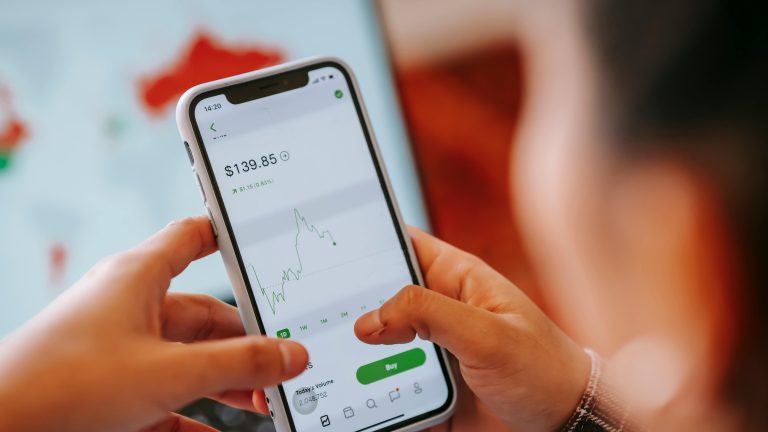
Mobile wallets have recorded a remarkable transformation in the management of digital assets. It offers users a safe and convenient solution for accessing or retrieving their digital assets on the move. This is powered by the continual popularity and penetration of smartphones and has made mobile wallets an essential tool for users who need constant access to funds.
A mobile wallet is akin to holding the power of cryptocurrency in your hand. After mobile wallets turned personal computers into relics/ remnants of the past, users were freed from being tied to their desks and now go everywhere with their crypto portfolio. Many compared this portability benefit of mobile wallets to holding a Swiss bank account right in your pocket, without the usual secret agent vibe.
Specifically designed to be used on smart mobile devices, Mobile wallets make it possible for a user to store cryptocurrencies as well as send and receive them directly from tablets and smartphones.
With mobile wallets, navigating the crypto world becomes a simple process, thanks to its user-friendly interface and that is a joy to beginners. Some of the best features of mobile wallets include constant accessibility and QR code scanning that has reformed the sending and receiving process of digital assets
To ensure utmost security, mobile wallets come equipped with a good number of cutting-edge security features including biometric authentication, password protection, encryption technology, and more. With the aforementioned measures, users are assured of the safety of their funds even when mobile devices go missing.
Hardware Wallets: The Veritable Virtual Fortresses
Hardware wallets have often been described as something better than security and even double security. Many have dubbed them the crypto world’s Fort Knox. It is comparable to safeguarding your digital gold in a high-tech safe very far from the virtual realm.
Hardware wallets emerged as users continually demanded better crypto security measures. They come in the form of physical devices specifically and specially designed to store and securely private keys offline. This way hardware wallets save a user from the constant potential online threats from hackers.
Important to note that the level of security provided by hardware wallets is relatively higher as they isolate a user’s private keys from the internet which reduces the risk of malware attacks and hacking. Under no circumstances will private keys leave the device, stopping unauthorized access to funds while frustrating the activities of cybercriminals.
While it is generating and storing a user’s private keys offline hardware wallets ensure the security of the private keys even when the device comes into contact with an infected computer. When it comes to transaction confirmation, users of hardware wallet must do a physical confirmation with the device itself and this serves as an additional layer of security against unauthorized and suspicious transactions.
Again, hardware wallets are highly compatible with multiple digital assets relegating the use of multiple wallets to the past. It is listed among the most recent modern solutions, giving users the liberty to leverage one device in storing and securing a plethora of cryptocurrencies.