[Written By External Partner]
Mobile payments have simplified shopping, making it a much easier and faster option. With just a tap or a scan on their smartphones, consumers can now complete purchases quickly and securely, eliminating long waits at the checkout.
Many businesses are adopting mobile payments, with the market projected to reach a staggering $11.83 trillion by 2028. For business owners, this isn’t just a trend to observe, it’s an important innovation to embrace sooner rather than later.
How Different Businesses Are Adopting Mobile Payments
A wide range of businesses have already embraced the mobile payment revolution. Here’s how some businesses are using mobile payments:
Online casinos: These platforms use cryptocurrency for transactions. Players can use digital currencies like Bitcoin and Ethereum to deposit and withdraw funds in minutes, enjoying the benefits of online casino instant payout options and a seamless gaming experience. Using blockchain technology enhances security and privacy, which appeals to many users. For businesses, this shift attracts individuals increasingly interested in cryptocurrencies, offering a payment solution that is faster and safer in the online gambling space.
Retail: Many brick-and-mortar stores like Walmart and Target, have integrated mobile payment options at the checkout counter, speeding up service and providing customers with added convenience.
Food and Beverage: Restaurants, especially fast-food chains like McDonald’s and Starbucks are leveraging mobile payment systems for quick, contactless ordering. Imagine grabbing a coffee at a cafe and paying with just a quick scan, no cash, no cards.
Public Transportation: From metro systems to buses, many public transportation services like Uber have made it easier for commuters to pay for their rides with mobile apps. This not only saves time but also reduces the hassle of managing paper tickets or exact changes.
Types of Mobile Payments
Mobile payments can take several forms, and understanding the basics can help determine what’s best for your business. The three main types are proximity payments, remote payments, and closed-loop mobile payment systems.
Proximity Payments
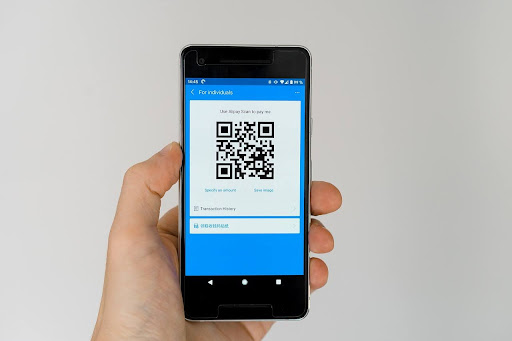
These occur when a customer purchases in person. People can pay with their phones by tapping them on a compatible POS machine or scanning a QR code. Many stores and businesses, such as cafes and restaurants, are already using this technology to facilitate faster payments.
Remote Payments
Digital wallets: These have revolutionized the way we pay. Mobile wallets like Apple Pay, Google Pay, and Samsung Pay, securely store your credit or debit card details. With a simple tap, you can make contactless payments at stores, online, or within apps.
Bank-based apps: These apps offer a similar convenience. Provided by your bank, these apps allow you to make payments directly from your bank account. Think of them as a digital version of your checking account. You can move money between accounts, pay bills, and check your account balance, all from your phone.
Peer-to-peer (P2P) payment systems: P2P payments have made it so much easier to send funds to family and friends. Apps like Venmo, PayPal, and Cash App let you quickly transfer funds using your smartphone. Whether splitting a restaurant bill, repaying a loan, or sending money abroad, P2P payments offer a hassle-free solution.
Carrier billing: This is another option for making payments. This method allows you to charge purchases to your mobile phone bill. It’s often used for smaller transactions, like in-app purchases or subscribing to services. However, be mindful of your monthly bill to avoid unexpected charges.
Closed-Loop Mobile Payment Systems
Retailer apps are mobile payment systems designed specifically for individual retailers or a group of retailers. Customers can use the app to make purchases, collect rewards, and take advantage of special discounts directly within the app without needing a bank or other payment company. For instance, the Starbucks app allows users to pay, earn loyalty points, and redeem offers, all in one place. Similarly, Walmart Pay lets customers pay, track purchases, and earn rewards.
Key Technologies Behind Mobile Payments
The success of mobile payments hinges on a few key technologies:
Near-Field Communication (NFC): It’s a technology that lets two devices communicate when they’re very close together. When you tap your phone on a payment terminal to pay for an item, you are using NFC. This allows for fast and secure transactions between a smartphone and a payment terminal by simply tapping.
QR Codes: A Quick Response code is a type of barcode that can be scanned using a smartphone or other device to quickly access information, like a website link or contact details. This lets customers initiate a transaction by scanning a code with their phones, redirecting them to a payment platform.
Tokenization: Instead of using your card details, tokenization replaces them with a digital identifier, or “token,” adding an extra layer of security.
Why Your Business Needs Mobile Payments
According to a Pew Research Center survey, 76% of American adults have used their smartphones to buy online. Mobile payments offer numerous benefits for businesses, including:
Enhance customer experience: Streamline the checkout process, making it faster and more convenient for customers.
Boost sales: With faster transactions and no need to carry physical cash or cards, mobile payments can encourage impulse purchases and increase the average order value. In 2022, the McDonald’s app was the most popular food app in the world, with over 100 million downloads worldwide and millions of daily active users. Customers can now easily order and pay for their meals using their phones, which increased sales for McDonald’s.
Improve security: Mobile payments often provide stronger security than traditional card transactions through encryption, tokenization, and biometric verification (like fingerprint or face recognition).
Gather valuable data: Mobile payments can give businesses insights into customer behaviors and preferences, helping tailor marketing and loyalty programs for better customer engagement.
Stay competitive: As mobile payments become increasingly prevalent, businesses that don’t offer this option may risk losing customers to competitors.
Challenges to Keep in Mind
Despite the advantages of mobile payments, there are challenges to consider. There has been a significant rise in scams, so businesses need to ensure they protect their customers. This may require investing in the right technology to support mobile payments, such as upgrading point-of-sale systems and training staff.
Some customers are not comfortable with digital transactions, particularly the older generation. Businesses must educate them on the safety and convenience of mobile payments to increase adoption.
The regulation of cryptocurrency remains uncertain. Most governments are still trying to determine the best way to regulate crypto usage and protect businesses and consumers. Companies need to stay informed with the latest regulations in their jurisdictions, including tax obligations to remain compliant and avoid any legal and financial issues.
Conclusion
Whether you run a store, or a restaurant, or offer services, adopting mobile payments can significantly benefit your business. With benefits like enhanced security and faster transactions, it’s clear that mobile payments are the way forward. In short, going mobile with your payments isn’t just smart, it’s the key to staying ahead in today’s fast-moving world.