Samsung Galaxy Z Fold 7 Long-Term Review: Living the Foldable Life, One Year Later
It’s hard to believe we are already approaching another massive Galaxy Unpacked event. With the rumors around the Galaxy Z Fold 8 reaching a fever pitch, it feels like the perfect time to look back at the device that has been glued to my hands for the past year: the Samsung Galaxy Z Fold 7.
I was incredibly impressed by how much of a leap this generation felt. Samsung essentially gave us a “Fold Max or Ultra ” without calling it one. But first impressions are one thing; how does a high-end ($2000 starting price at launch) piece of engineering hold up after several months of real-world multitasking, media consumption, and frantic email drafting on the go?
These are my thoughts after almost a year of using the Galaxy Z Fold 7
DESIGN AND BUILD QUALITY: SLEEK YET RESILIENT
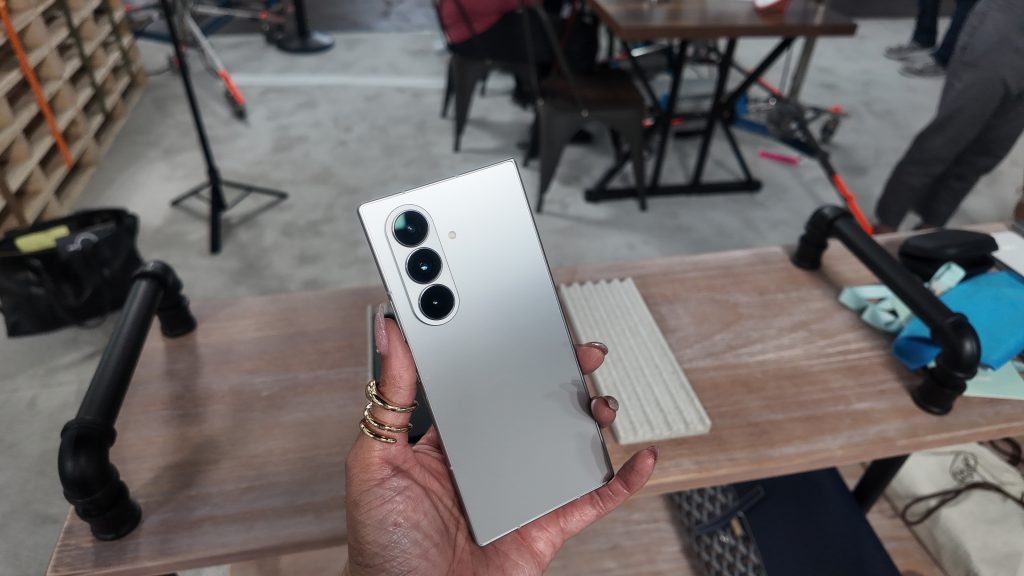
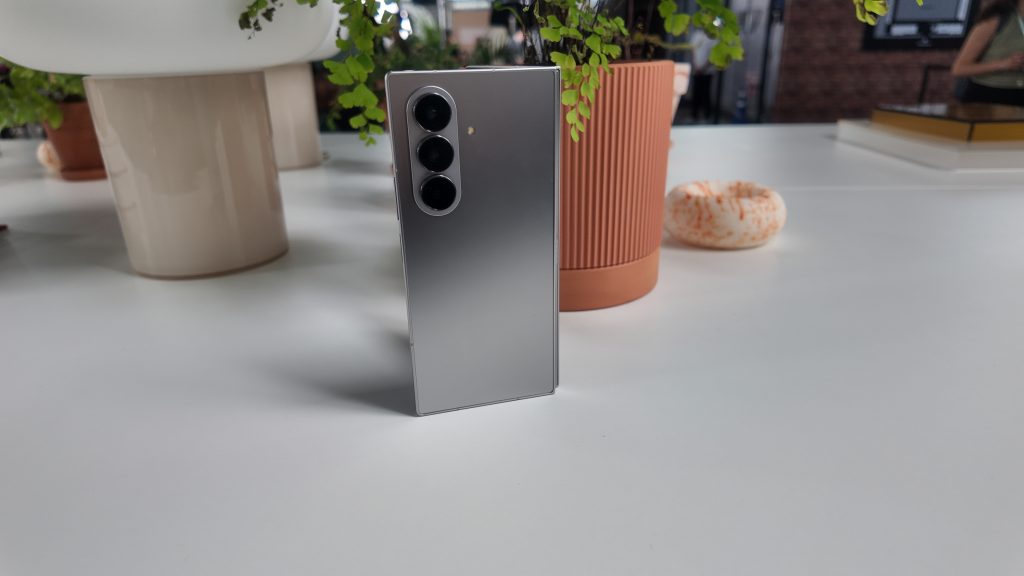
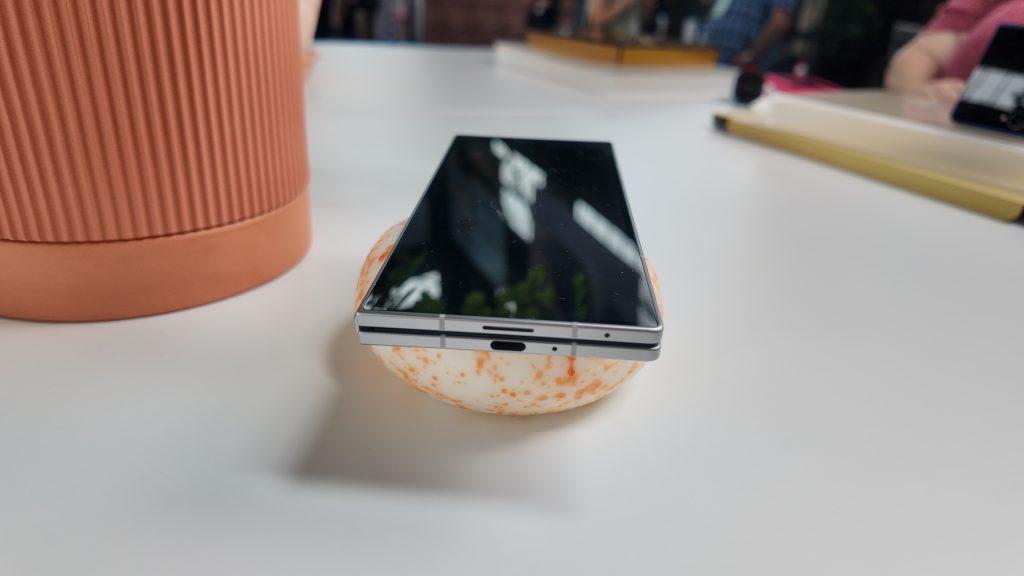
When I first held the Galaxy Z Fold 7, the most shocking change was its physical footprint. We saw the leaks, but feeling it in hand is different. It’s soooo thin. Samsung shaved the thickness down to a mind-blowing 0.16 inches unfolded and dropped the weight to just 7.6 ounces. To put that in perspective, it actually feels lighter in the pocket than a standard flagship bar phone. The feel alone will make you a believer. Just so
A year later, the Advanced Armor Aluminum frame and Gorilla Glass Victus 2 back have held up remarkably well. I’ve used this phone mostly in a case, and while the matte finish has picked up a few tiny micro-scratches near the USB-C port, the overall structural integrity remains nearly flawless. The hinge still snaps shut with a satisfying, airtight click, and it still holds its angle perfectly when propped open. It’s understandably a little looser than a new Fold 7 would be, but that is expected.
THE SCREEN AND WEAR & TEAR: THE CREASE FACTOR
The absolute biggest question I get from readers and friends on social is: “Does the screen hold up, or does it degrade?”
After many folds a day, I am happy to report that the 8.0-inch main display (that’s the inner display) is in great shape. The ultra-thin glass and the titanium plate layer beneath it have prevented any of the dreaded “crease cracking” that plagued early generations of foldables. This is the longest I’ve used a foldable, though.
The IP48 dust and water resistance gives peace of mind; I try not to risk it, though. While it’s not fully dust-tight against micro-particles, it survived multiple heavy rainstorms without a hitch. The only real sign of wear is the pre-installed inner screen protector, which has collected a few faint fingernail scuffs over time, but it hasn’t started peeling at the edges at all.
DAY-TO-DAY EXPERIENCE WITH THE Z FOLD 7: CONTENT & MULTITASKING
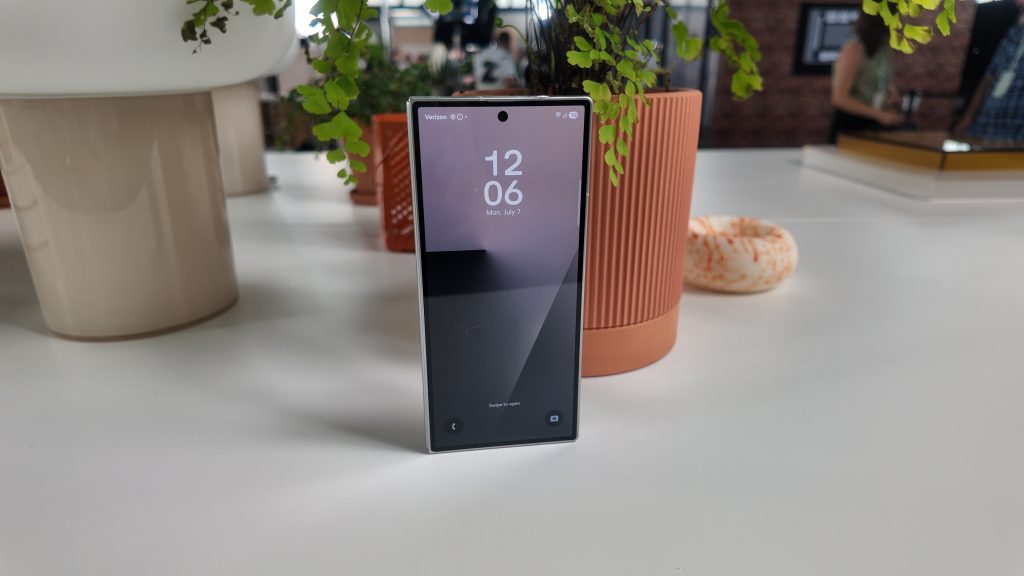
Using the Galaxy Z Fold 7 as a daily driver completely ruins standard smartphones for you. It has a pretty large 6.5-inch cover screen, with a 21:9 aspect ratio, which finally feels like a normal phone screen. You can do simple things with this. I can knock out quick replies, check notifications, and use maps comfortably with one hand. One UI, Samsung’s operating system, has been refining its features and look. It’s been smooth and an overall great improvement. No complaints here.

BINGING CONTENT
Watching videos on the 8.0-inch main AMOLED display is an absolute dream. The Z Fold 7 has 2,600 nits of peak brightness, which means I can sit on a bench in direct sunlight and still clearly see every detail of a dark movie scene. Because it’s a near-square aspect ratio, you do get letterboxing on standard 16:9 widescreen videos, but the sheer scale of the display still gives you a significantly larger viewing area than any standard pro-tier phone. Never get tired of that.
NEXT-LEVEL PRODUCTIVITY ON THE Z FOLD 7
As someone who manages editorial workflows on the fly, the ability to run three apps simultaneously is just clutch. I routinely keep Slack open on one side, Chrome on the other, and a notes app docked at the bottom. What keeps the phone running? The Snapdragon 8 Elite chipset paired with the massive 12GB of RAM means the phone doesn’t even stutter when jumping between heavy tasks.
GALAXY AI FEATURES: THE FEATURES I ACTUALLY USE
As expected, Samsung pushed AI hard on this generation, and while some tools feel like gimmicks to some, a few have permanently changed how I work:
- Circle to Search: This is seamless on the big screen. I can circle a product in an image, find where to buy it, or instantly translate a block of text without ever leaving my app. It’s available on many phones. Such a great feature.
- Note Assist: If I’m sitting through a complex meeting or presentation, I can take messy, rapid-fire notes, and Galaxy AI will instantly format them into clean, bulleted summaries with auto-generated headers. This is a feature I use the most. The pressure of accurate notetaking is no longer intense, and I love that for me.
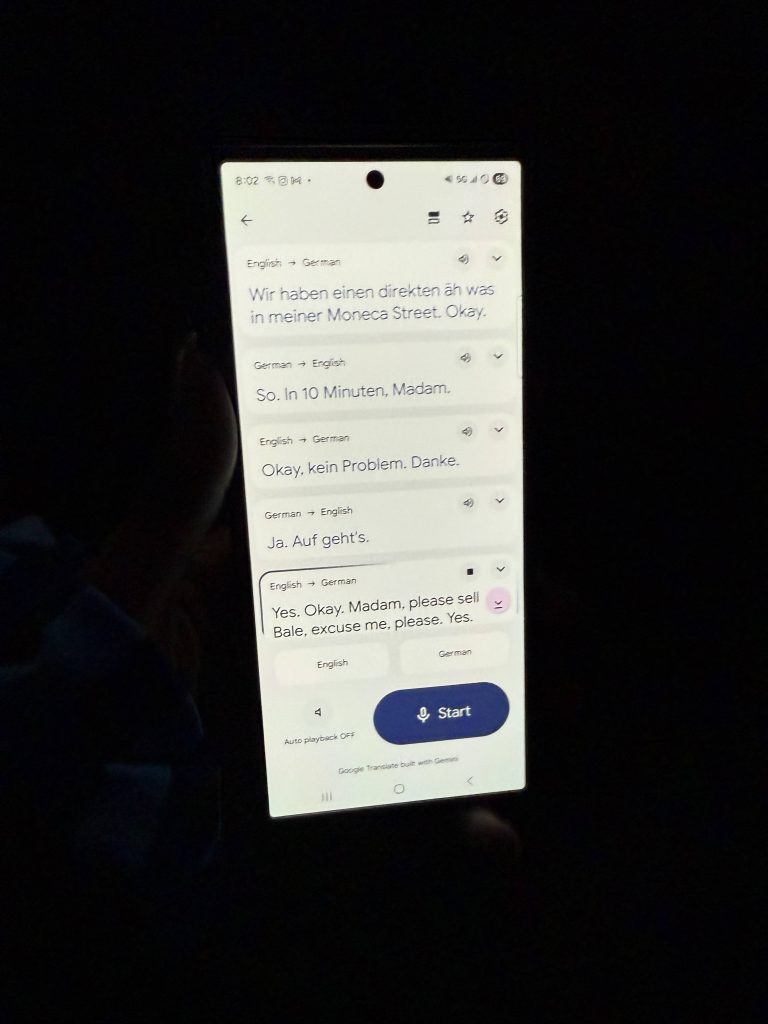
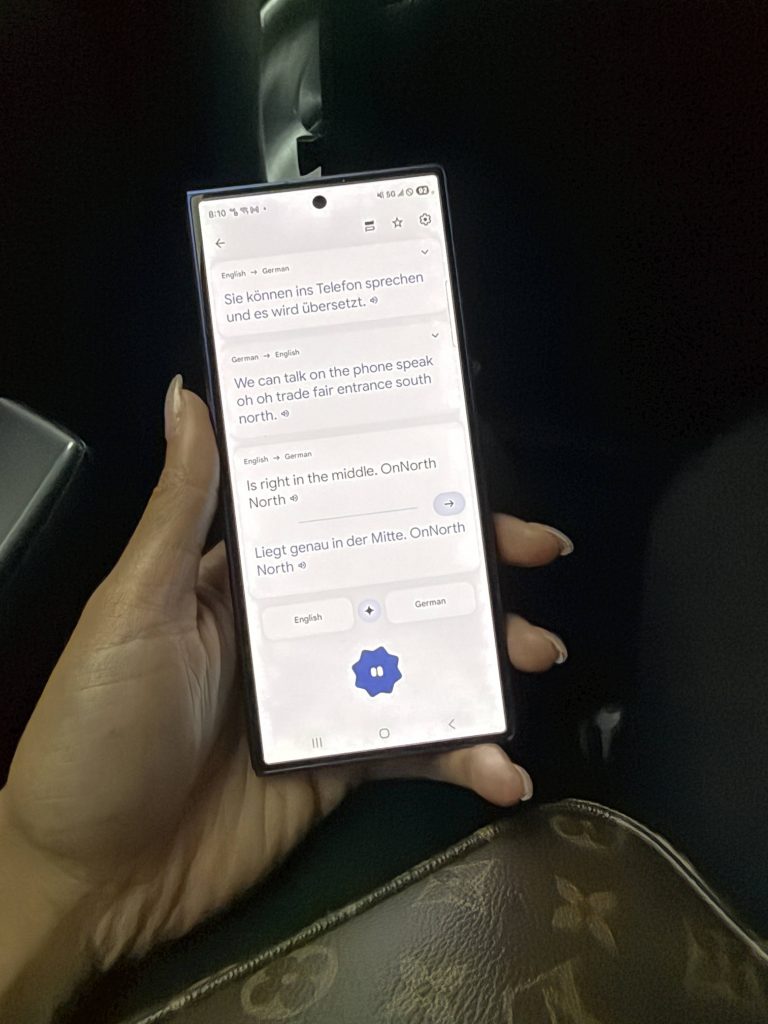
- Interpreter Mode (Dual Screen): This is the ultimate foldable flex. The best party trick. When traveling, you can unfold the phone and place it on a table. The outer screen shows the translated text to the person you are speaking to, while the inner screen shows their translated response to you in real-time. It turns the phone into a literal translation hub.
- I used this while at IFA, and it was amazing to converse with the taxi drivers. They were speaking German, and I was responding in English; it was almost seamless.
CAMERAS: FLAGSHIP TIER BUT COULD BE BETTER
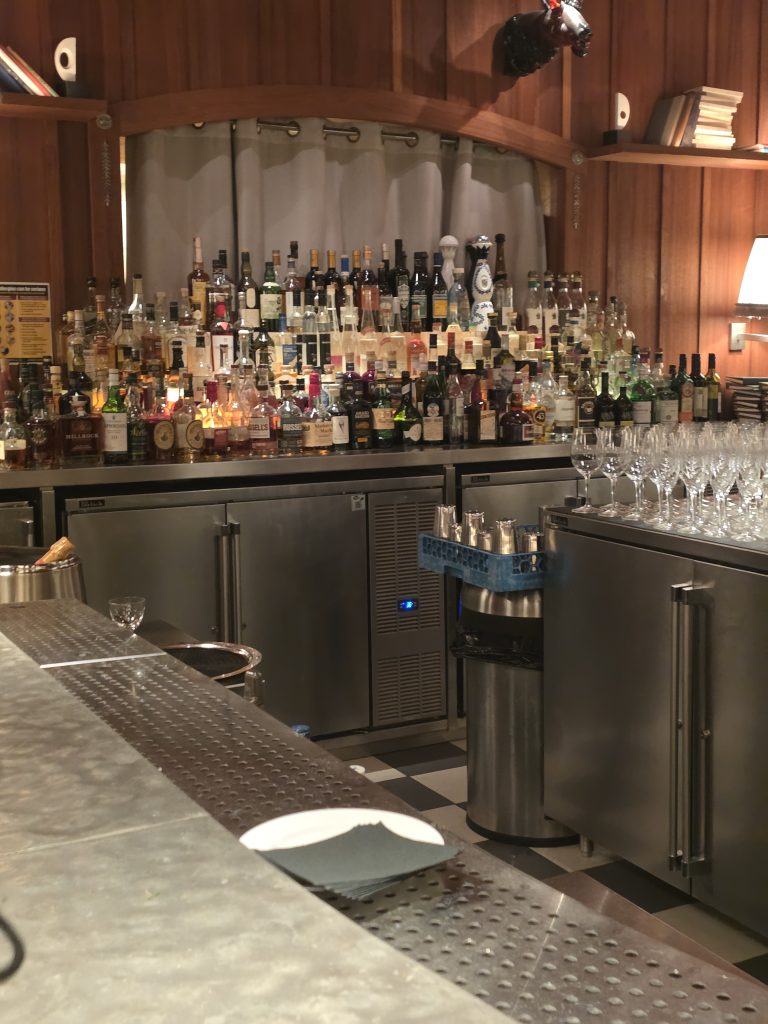
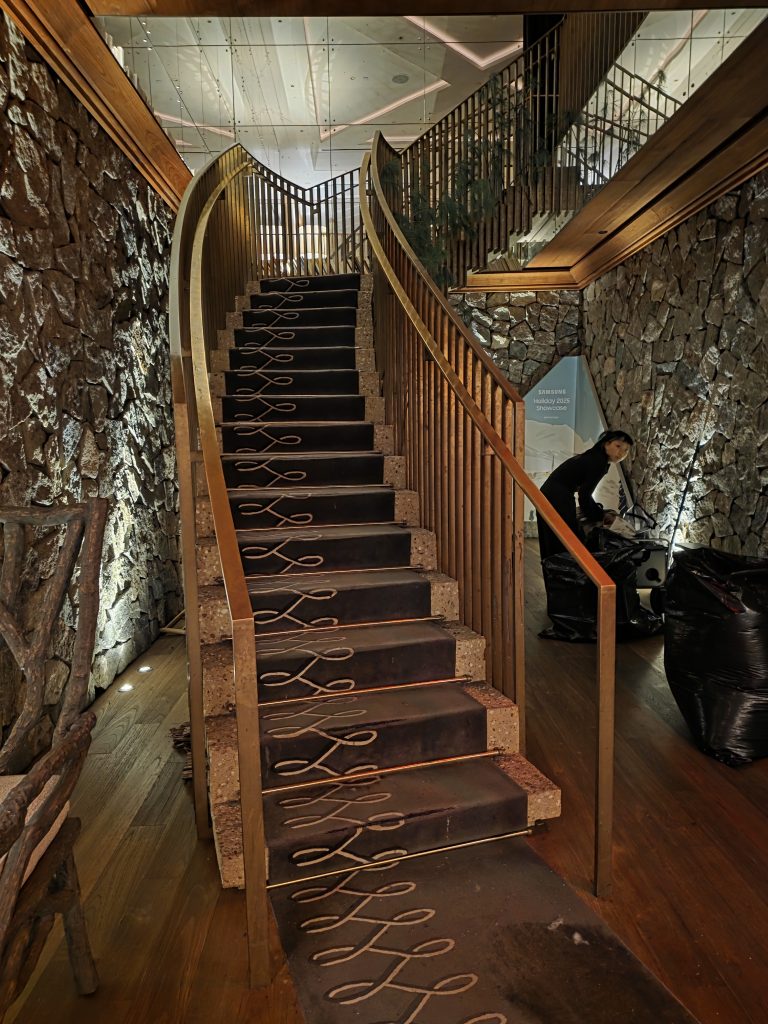
Foldables historically compromised on cameras to save space, but the Fold 7 broke that curse by borrowing the 200MP main sensor from the S-series. It can get your everyday picture for the most part. Sometimes the pics are overexposed or blurry. I enjoy going to sporting events and out to eat. Those places are usually well lit because they’re outdoors, and natural lighting is amazing for pics.



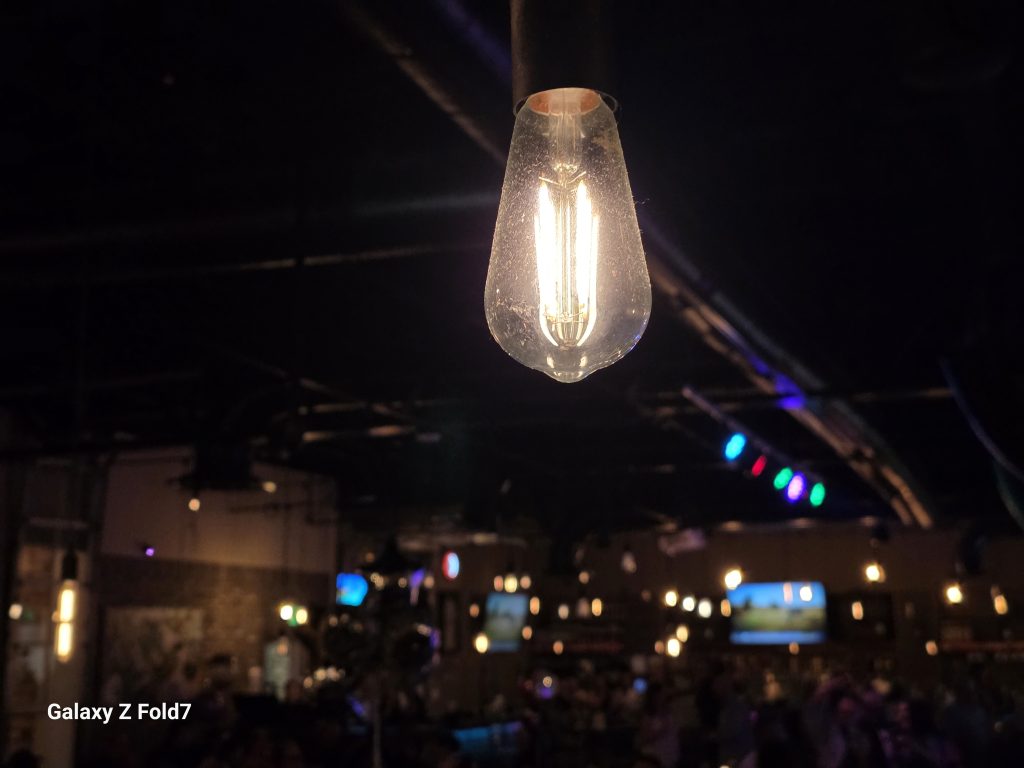

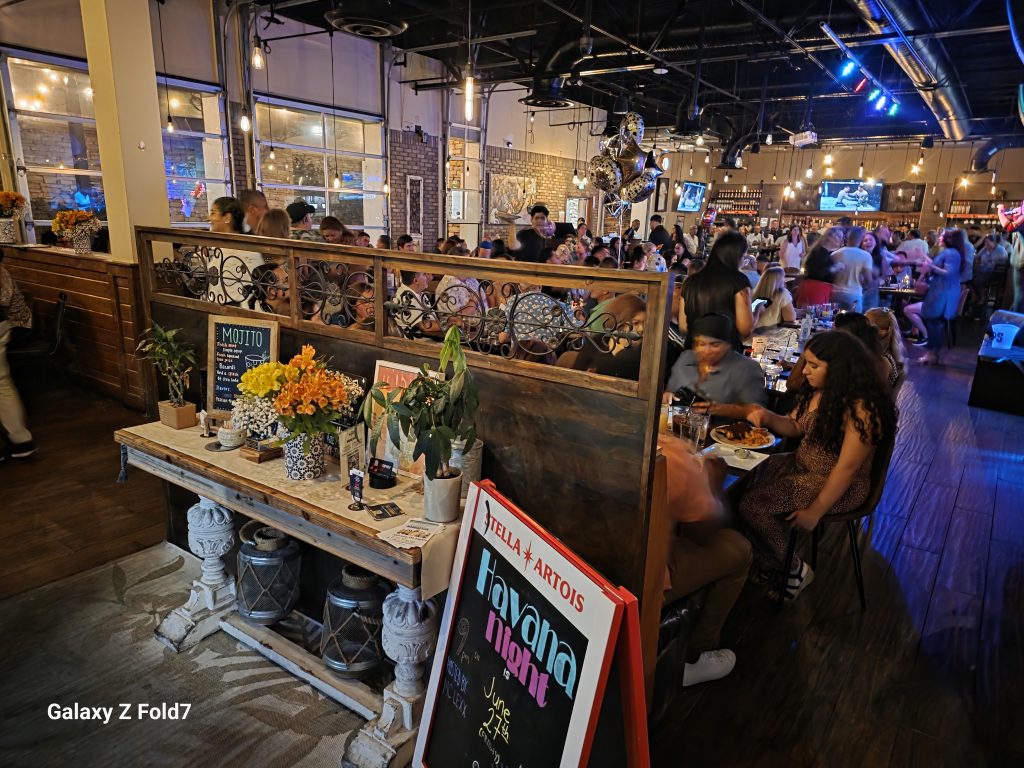
| Samsung Galaxy Z Fold 7 Camera | Z Fold 7 Camera Specs | Long-Term Verdict |
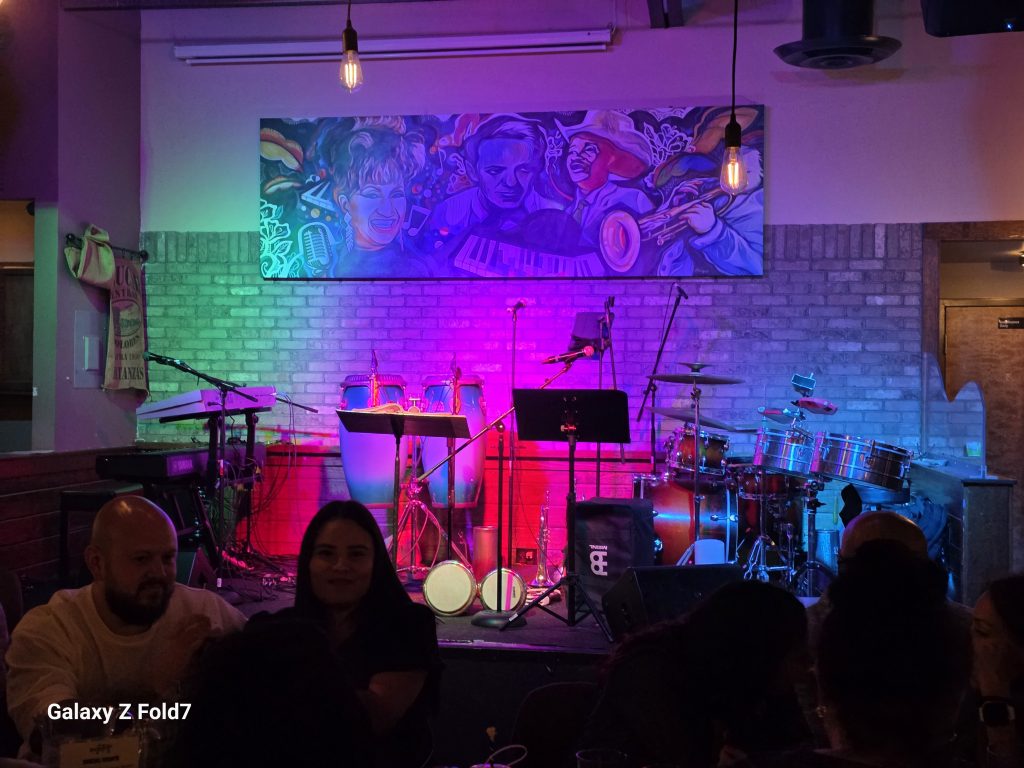
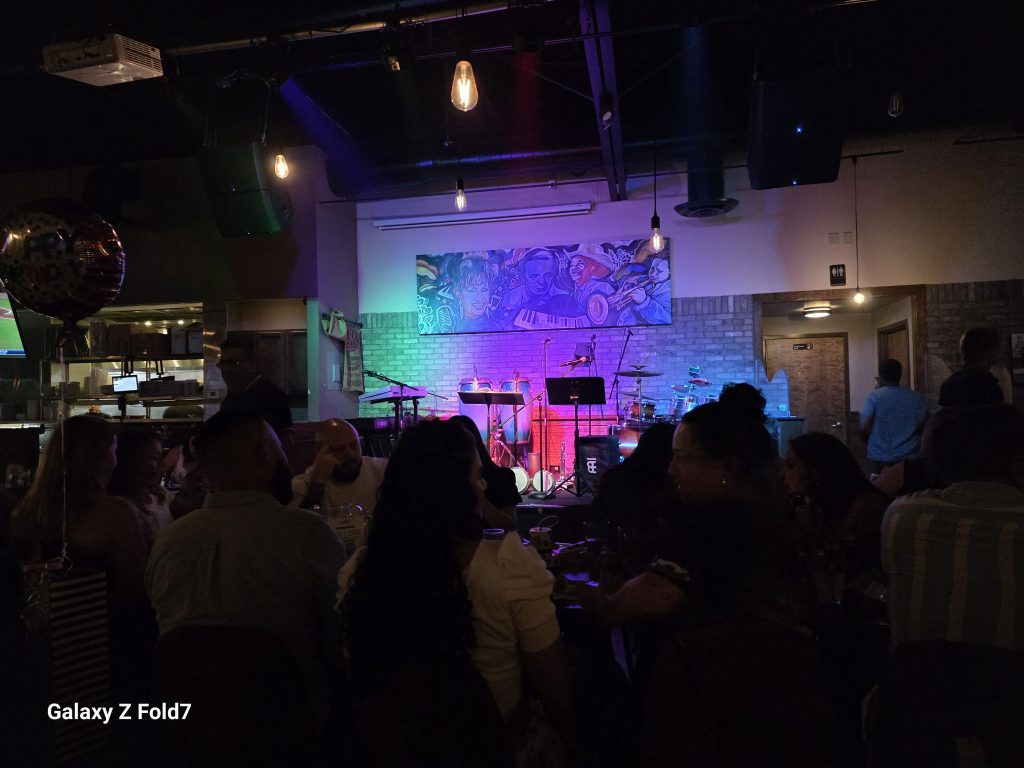
| Main Lens (Wide) Lens | 200MP, f/1.7, OIS | More detail. Daytime shots are sharp, and night mode captures decent light without blowing out highlights. |
| Telephoto Lens | 10MP, 3x Optical, OIS | Best for portraits and capturing crisp text from across a room. |
| Ultra-Wide Lens | 12MP, f/2.2 | Great for landscape shots, though it slightly loses sharpness around the extreme edges in low light. |


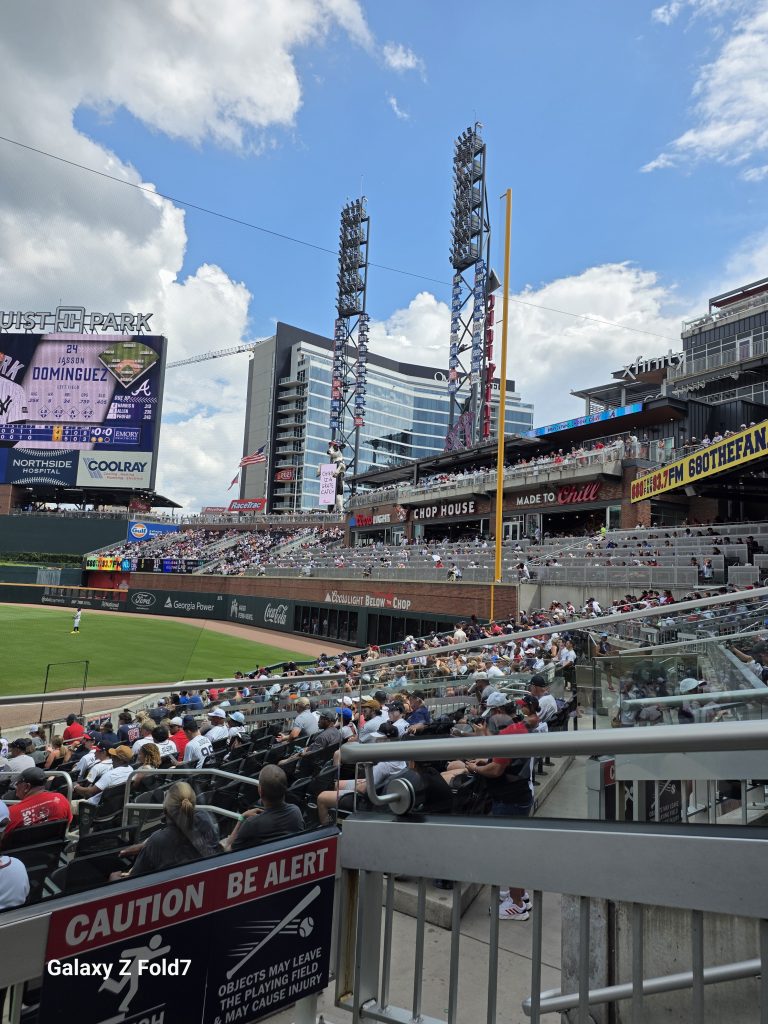

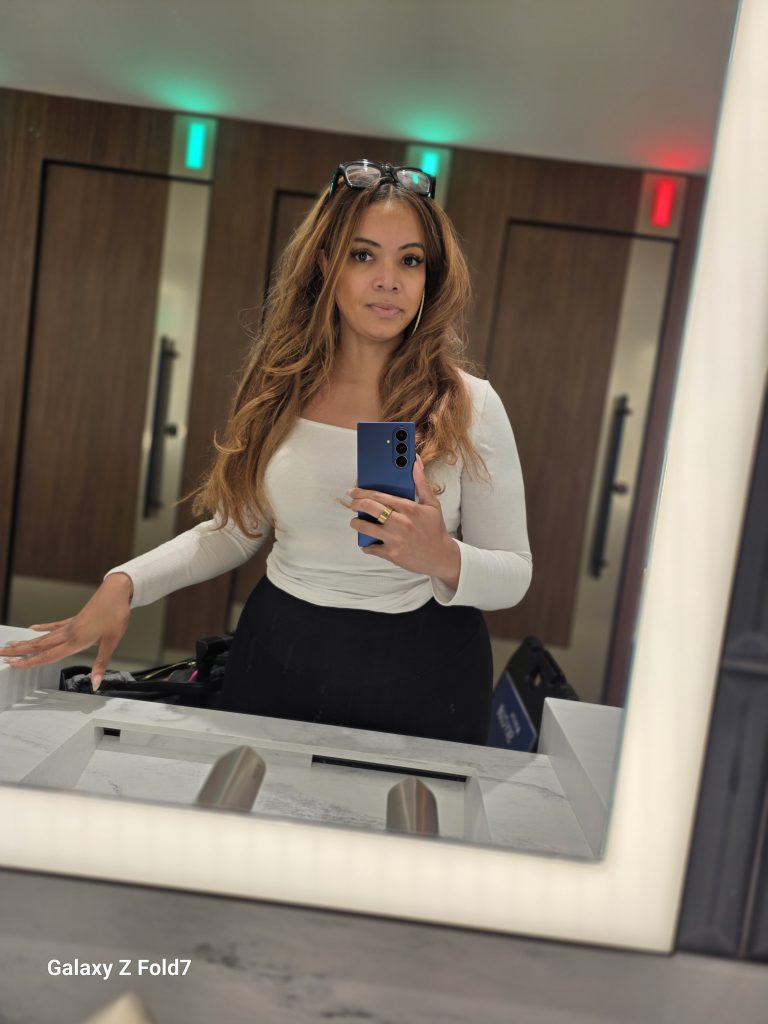
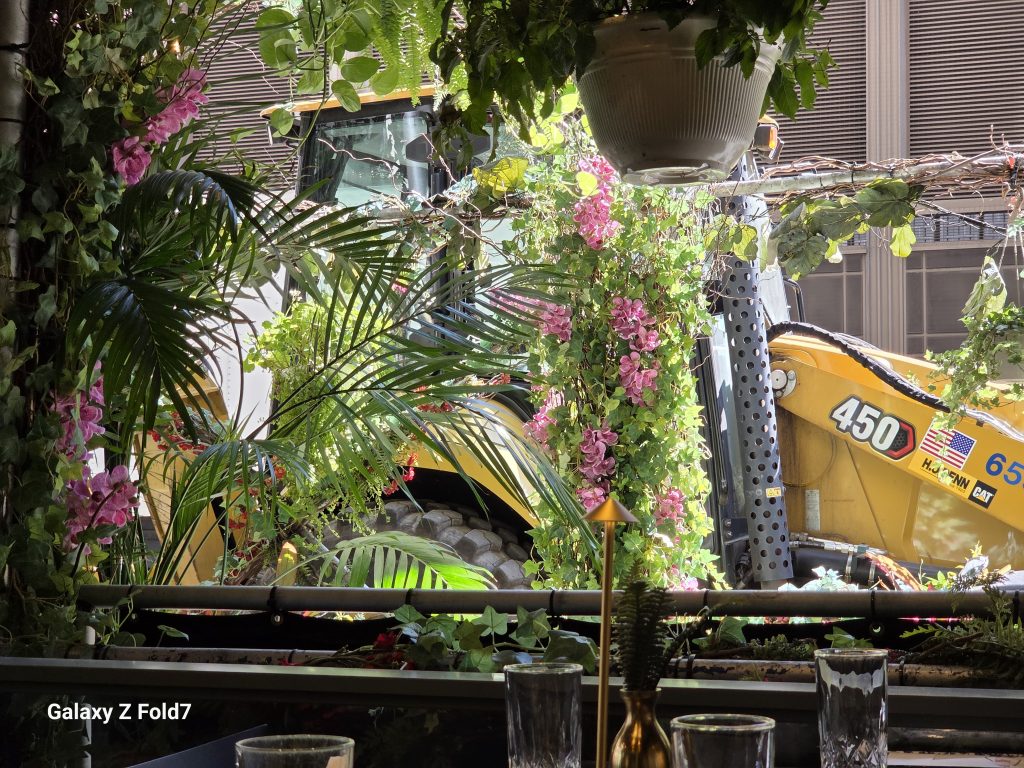
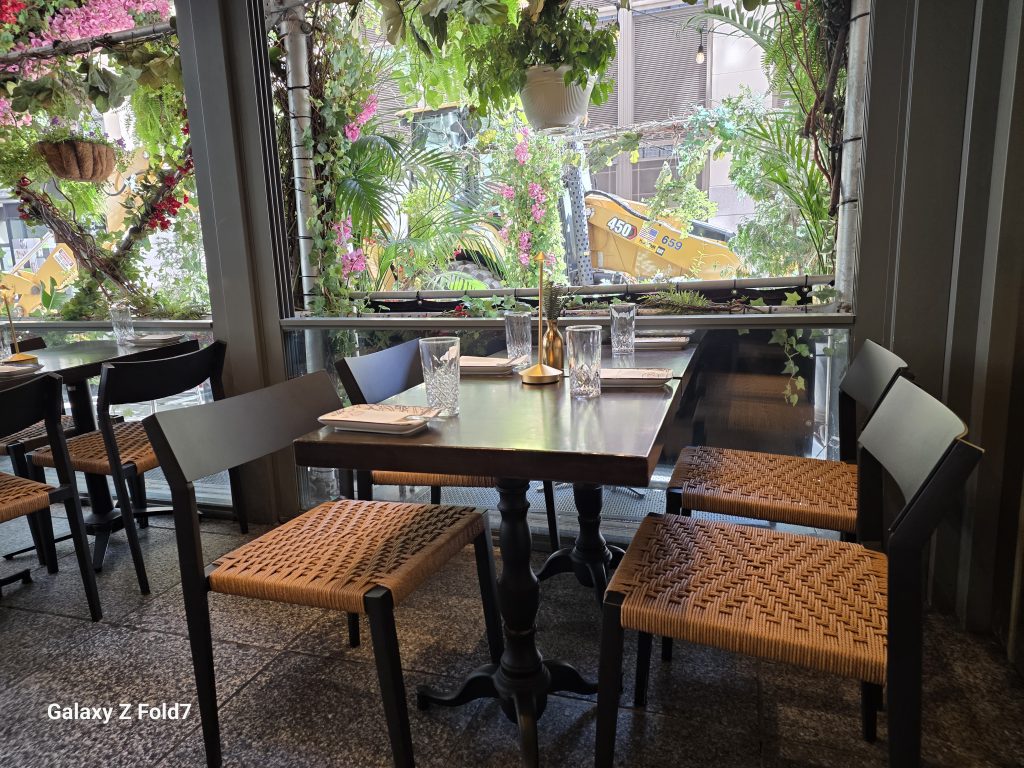

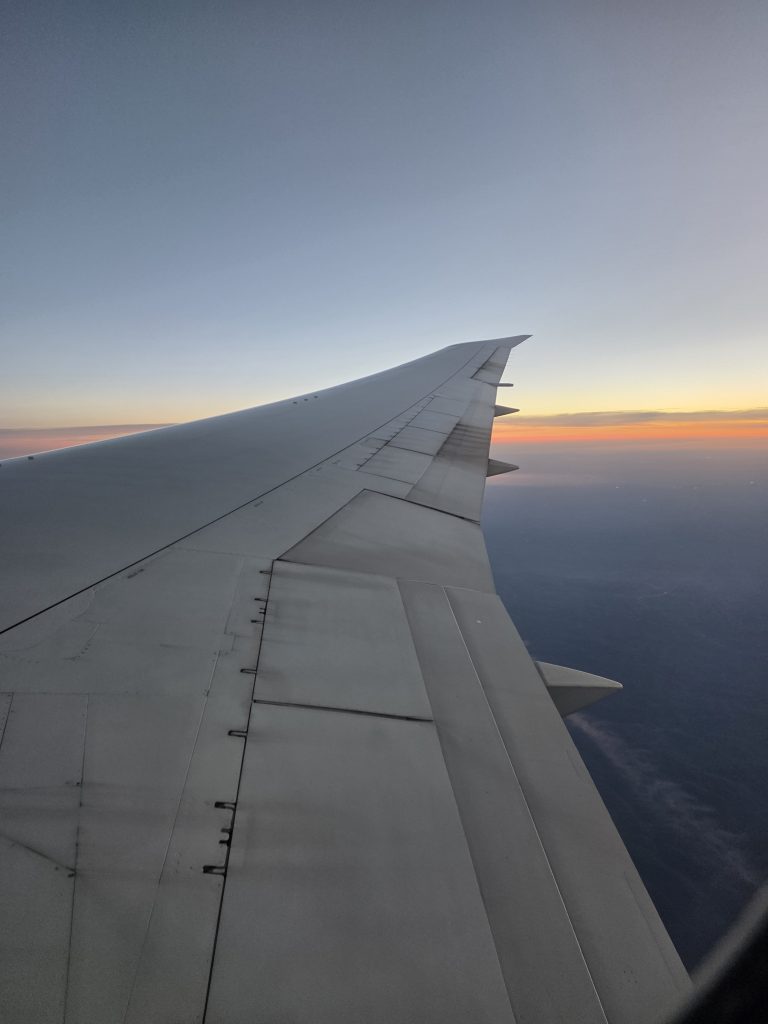

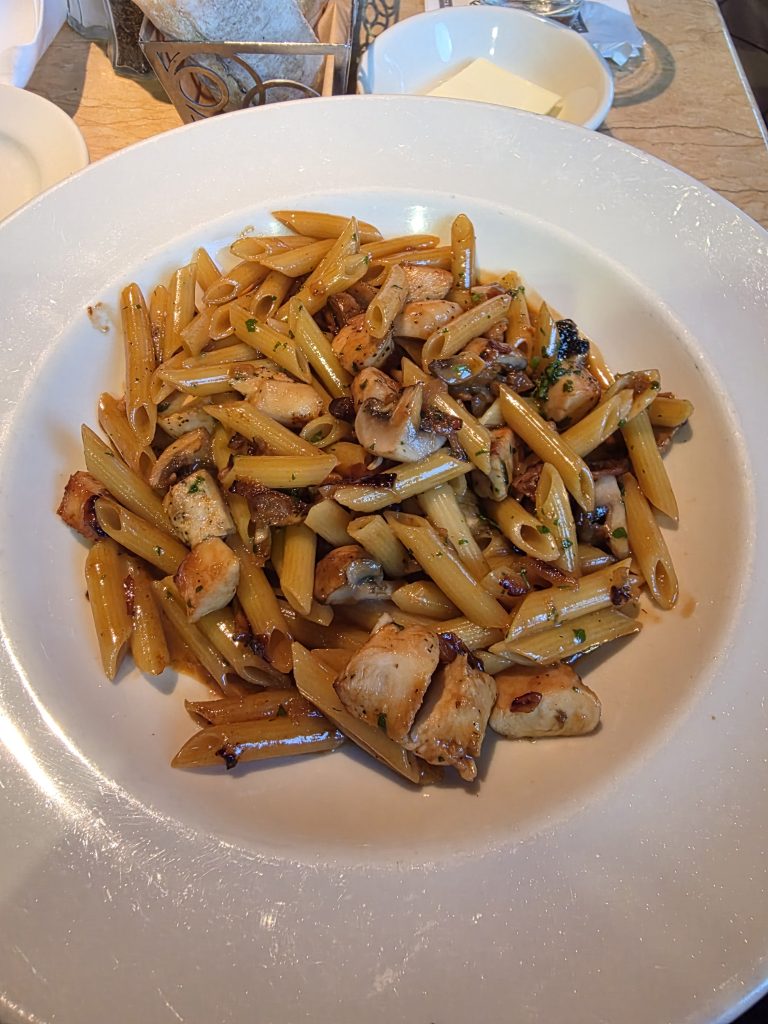


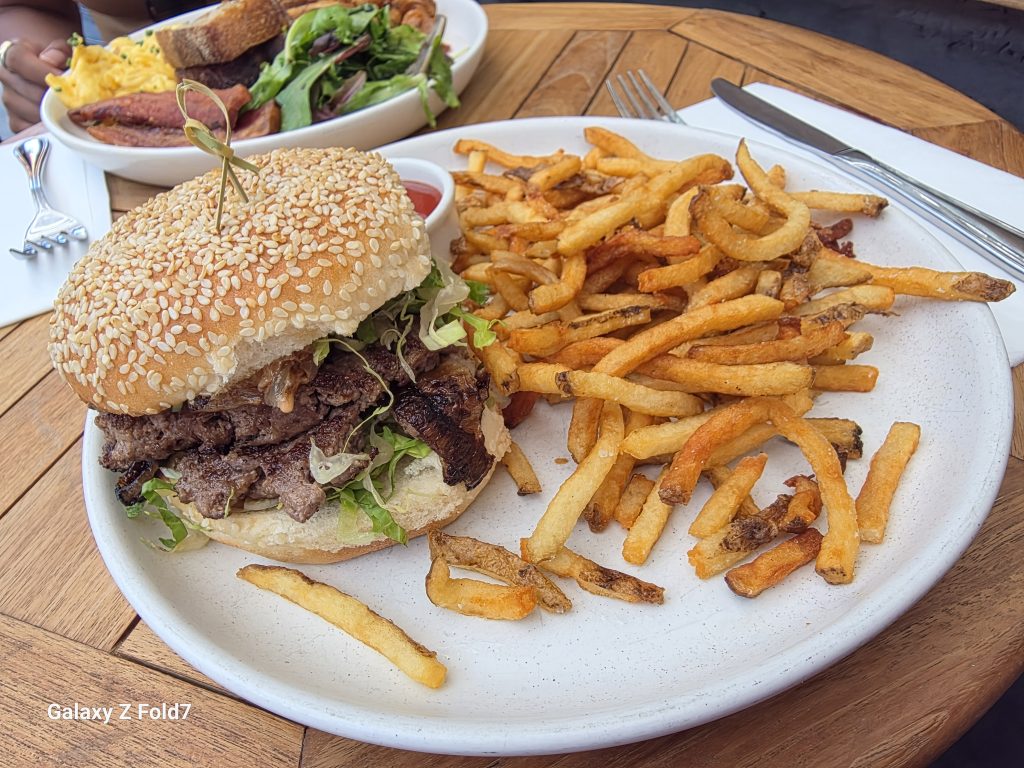


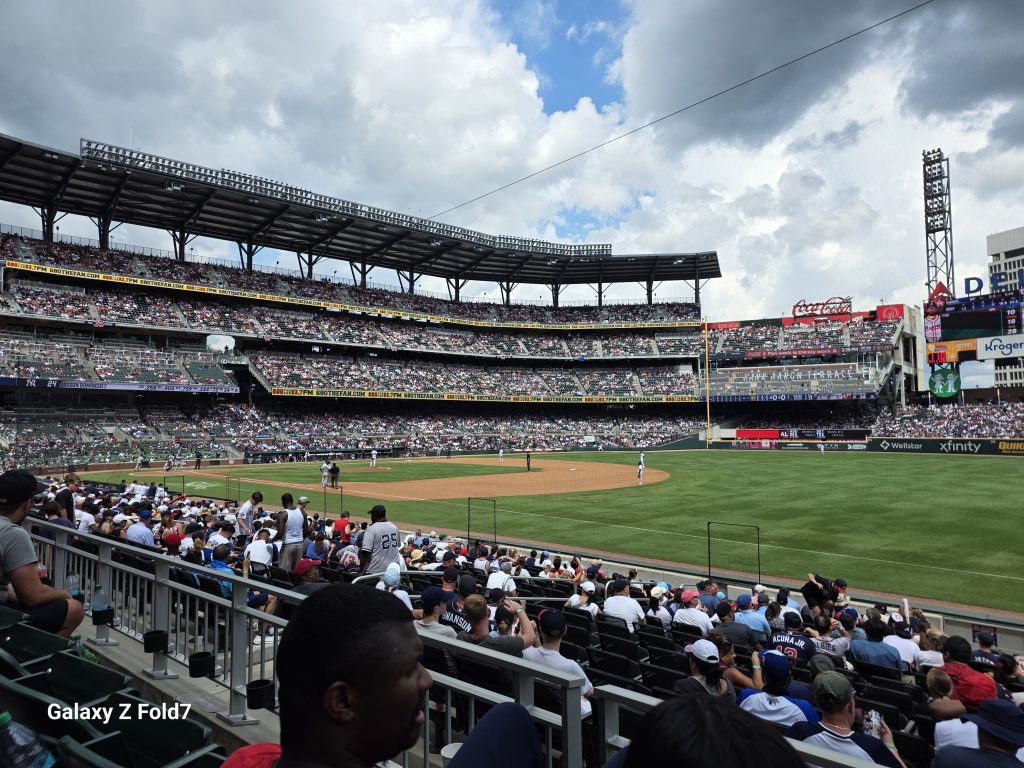
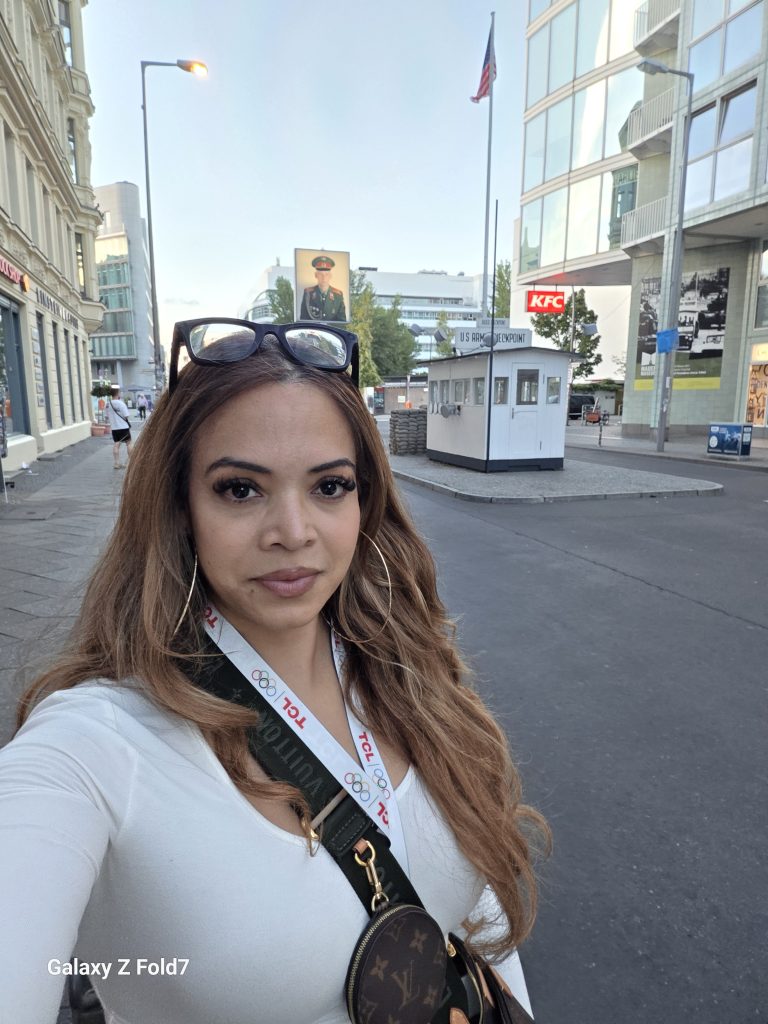
One of the biggest unsung victories here is that Samsung replaced the grainy under-display selfie camera with a proper 10MP punch-hole camera on the main screen. Makes it better for selfies. Plus, you can use Flex Mode to prop the phone up like its own tripod, using the cover screen to frame ultra-high-res selfies with the main 200MP rear camera.
You can see the selfie camera isn’t bad. These are selfies in all types of lighting.





THE CATCH: BATTERY LIFE AND CHARGING
If there is a setback to the Galaxy Z Fold 7, it’s the power department. To achieve that incredibly thin chassis, Samsung kept the battery capacity at 4,400mAh—the exact same size as the older Fold 6, despite driving larger 8-inch and 6.5-inch screens. Impressive, but the battery life suffers.
On heavy workdays involving lots of main-screen multitasking, shooting video, and hotspot tethering, I frequently find myself hunting for a charger by 4 or 5 PM. It is strictly a one-day phone, if that, and battery degradation over 12 months means my screen-on time has dipped a bit compared to launch week.
Making the issue worse is the sluggish 25W wired charging speed. I am spoiled when it comes to charging; I’ll admit that. In a world where many flagships charge fully in under 30 minutes, waiting over an hour and a half to top up a premium device feels incredibly dated.
LOOKING FORWARD: WHAT WE EXPECT FROM THE GALAXY Z FOLD 8
The evolution of foldables over the last few years has been staggering. They’ve evolved from fragile, bulky tech experiments into ultra-thin, durable, no-compromise daily drivers. Shocking, I know. Such a jump from where it started.
With Samsung’s next-generation Galaxy Z Fold 8 unveiling right around the corner, and all of the leaks we’ve seen, Samsung is looking to fix the Fold 7’s few remaining pain points, which is super exciting. What I am hoping they fix.
- Better battery life. Whether that means a bigger battery and/or more optimization, I need that to be on the list of improvements. Along with that, faster charging would be helpful too. If the battery life is lacking, at least let me charge up quickly!
- A slightly wider screen. It would be more comfortable for the times I don’t want to unfold the device.
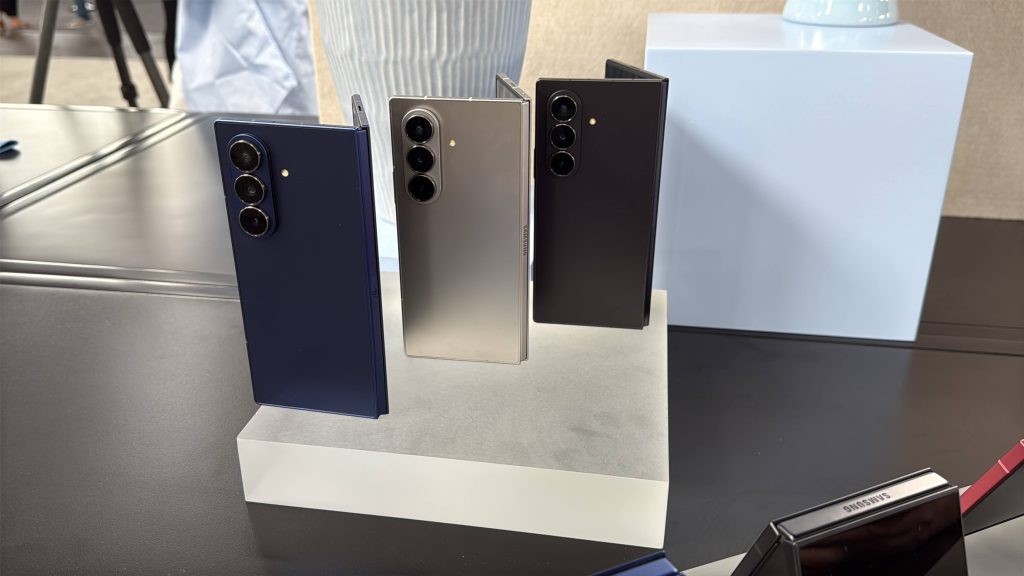
THE VERDICT ON THE GALAXY Z FOLD 7
The Samsung Galaxy Z Fold 7 has proven itself to be an absolute powerhouse over the past year. It proved that a folding phone can be incredibly thin without sacrificing structural durability or camera quality.
However, if battery life and fast charging are high priorities for you, it might be worth holding off on your wallet for just a few more weeks to see what the Galaxy Z Fold 8 brings to the table, or go with the Galaxy S26 Ultra. With the S26 Ultra, you won’t have a folding display, but you’ll have the powerhouse with the battery life to back it up.
If you find a great discount on it ahead of the new launch, it remains an easy recommendation. I enjoyed using it because of all its perks. It aged incredibly well, debunking the myth that foldable phones are fragile. My outer display screen protector has some cracks; there are some scuffed corners, but nothing any device wouldn’t go through after months of use. I wouldn’t go doing drop tests on it, but a few falls later, it’s still solid and in one piece. That’s why it stayed in my tech bag these last months. I’m more excited to try the next gen!
Samsung Galaxy Z Fold 7
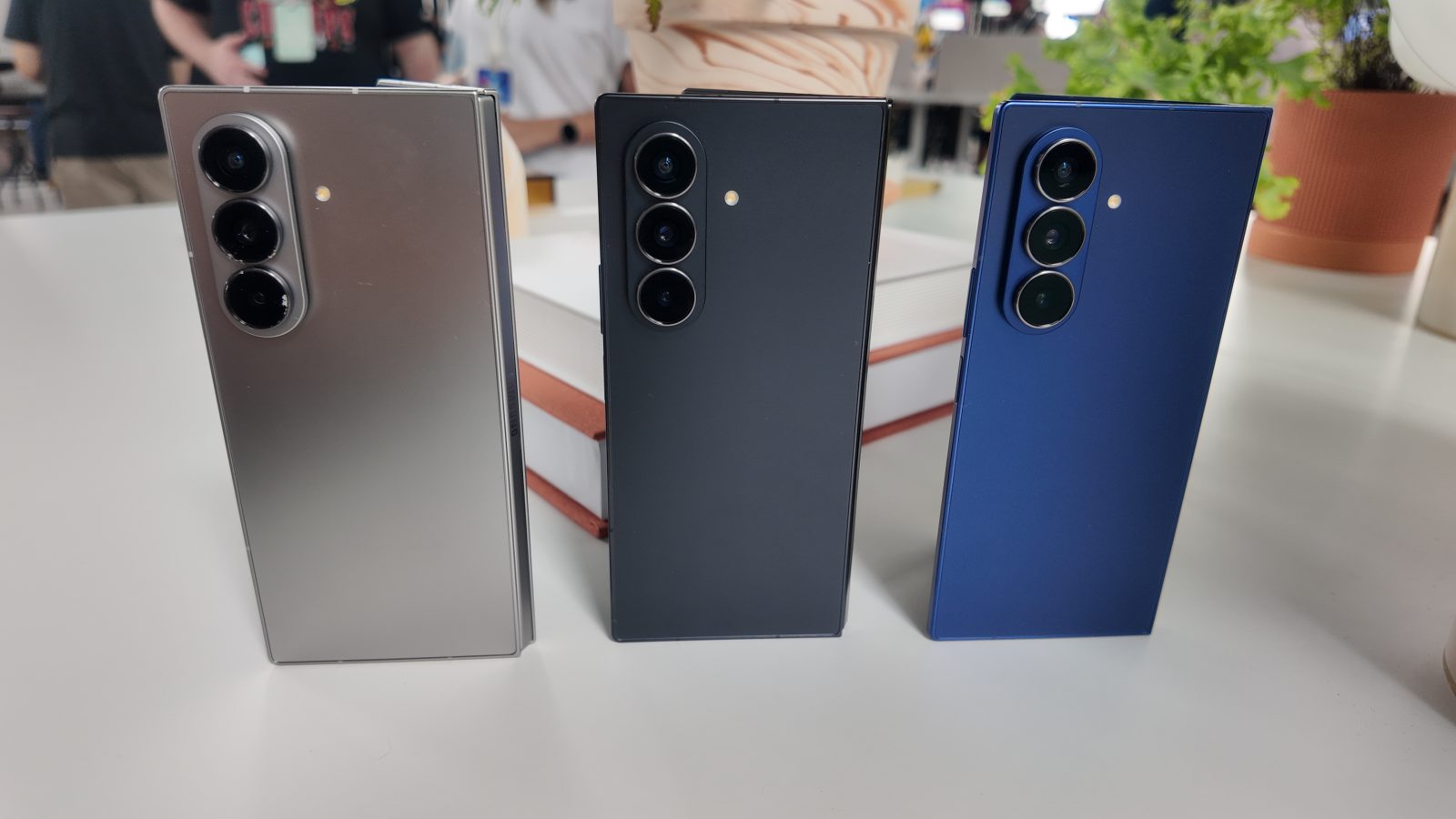
Pros
- Amazing display
- Thin build allows for easy portability
- Fluid OS
Cons
- Battery life is weak
- Charges slowly
- Does not support S-Pen