[Written By External Partner]
The evolution of technology has improved the ability to make investments and monitor them, with new investment opportunities also springing up. In recent years, the popularity of crypto investments has risen steadily, and recent political support has seen even greater adoption.
With more choice than ever before, an already difficult decision has been made harder, but as with any investment, understanding the key differences, risks, and benefits of each option should help consumers make the right decision for their unique circumstances.
Crypto Investment
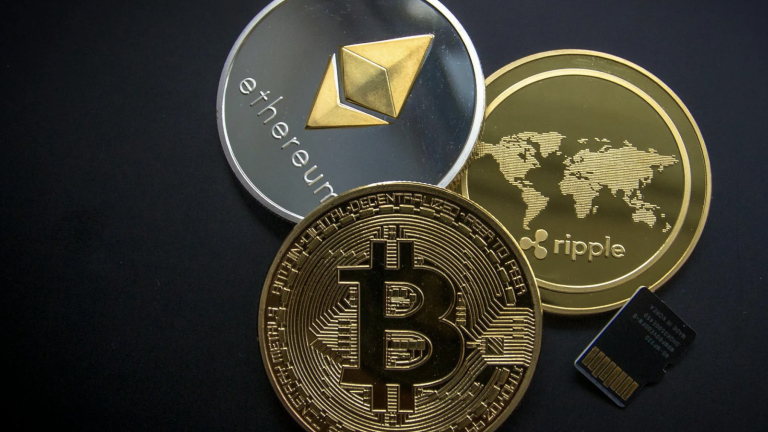
Since Bitcoin launched in 2009, support for decentralized digital currencies has grown, with recent political backing helping some currencies reach record values. Not only has this helped to increase exposure, but the commitment of governments around the world to create regulatory infrastructures to support crypto growth points to a bright future.
Since cryptocurrencies were originally launched, e-commerce has become essential for many modern businesses and consumers, and the benefits of using a decentralized digital currency include improved transaction speeds and security, lower fees, and improved access for consumers in restrictive regions or those with unstable banking systems.
When new cryptocurrencies are launched, consumers typically have the opportunity to buy them at low prices. If they go on to be successful, this can offer significant returns on investment. For example, when Bitcoin initially launched, its first valuation came in at around $0.003. Compare this with recent valuations of just under $120,000, and you will begin to understand the potential of cryptocurrency investment.
Of course, not every crypto project is successful, and investors must examine each case and its potential before committing. Some options, like the coinfutures.io platform, provide consumers with the opportunity to predict with a higher probability whether specific crypto markets will rise or fall, providing players with the buzz of real trading.
Alternatively, those planning to invest in cryptocurrencies are advised to diversify their portfolios to mitigate the risk of a market drop. While all investors with the benefit of hindsight would have loved to pour everything into Bitcoin, the chances of this happening again are slight.
The growing number of high-quality crypto-wallet platforms where users can securely store their assets has made crypto investment easier. And integrated investment platforms are helping to take this a step further.
Crypto Vs Stocks
Comparing investment opportunities can be difficult, with people often looking for different things, like easy access to assets, fast returns, long-term investment strategies, and other considerations.
Crypto investment is something that can benefit a lot of consumers, with the ability to use it as an alternative to fiat currencies or hold it until it rises in value.
While cryptocurrencies are still recognized as being volatile investment opportunities, the popularity of established cryptocurrencies like Bitcoin and Ethereum, and the emergence of stablecoins that peg their value against real-world assets and currencies, have provided more stability.
This mirrors a lot of stock opportunities in terms of risk versus reward, with less volatile options providing more long-term security, while more risky markets have the potential for faster, high-value returns.
The lines between crypto and stock investment have also been blurred in recent years, with the development of platforms that allow consumers to buy and trade commodities in one place. These platforms help to provide greater transparency for investors who like to monitor performance, and frictionless ways to buy and sell whenever they want.
Sadly, as with any industry that deals with finance, there is the threat of fraud in both stocks and crypto investments. This is why it is essential that opportunities are properly researched. Pump and dump schemes, where valuations are artificially inflated before the fraudulent party sells their investment, before the bottom falls out, have been some of the biggest risks to investors.
The rising number of institutional investors in cryptocurrencies is something that is helping the industry improve in terms of regulations and transparency. This shift from traditional investment opportunities signals an acceptance of cryptocurrencies on a wider scale.
Despite all of these similarities, there are still glaring differences between investing in cryptocurrencies and stocks. For one thing, the supply of cryptocurrencies is often limited, while others do not put a ceiling on the amount that can be minted and mined. In contrast, shares are controlled by the issuing company, which dictates the amount available.
Regulations also differ between equities and stocks compared with cryptocurrencies. However, this is set to change in many countries around the world, with governments committed to providing clear regulatory frameworks that will improve consumer understanding and provide a platform that will facilitate growth.
The purpose of cryptocurrencies is, by and large, as a transactional currency. There are some exceptions to the rule, but the overarching purpose is for consumers to spend decentralized currencies without the limitations or exchange rates that hamper fiat currencies. Stocks provide a small percentage of a company to the investor, whose potential return is based on the continued success of the company.
Despite the difference, the gap between the crypto and stock markets is beginning to close with the development of cross-market platforms. Some large trading platforms now allow futures trading on well-established cryptocurrencies, with investors able to set up agreements to sell crypto when it hits specific prices.
ETFs (exchange-traded funds), where investors can trade on multiple assets bundled together, are also making their way into the crypto market, and crypto hedge funds, which are professionally managed, can explore digital asset investment opportunities on a larger scale.
How Technology is Affecting Investment Strategies
Technology has played a major part in how investments are made, and improving convenience has also provided investors with other opportunities. The popularity of multi-market platforms and the proliferation of smartphone device use mean that the majority of modern consumers have the means to invest in stocks and cryptocurrencies.
Investors are now able to trade, track, and automate many of the main investment processes, but cryptocurrencies use of developing technologies goes even further. Crypto uses blockchain technology, which acts as a digital ledger that holds digital information blocks containing verified crypto transactions.
Because blockchain technology relies on a global network of nodes to maintain the ledger, it makes it significantly more difficult to forge transactions and ensures there is no one central authority. The success of blockchain technology could see it integrated into various other industries as a way of improving security and streamlining processes.
Because of this, some cryptocurrencies are seen as having strong investment potential as industries become more reliant on the technology that underpins the crypto industry
Investment Alternatives
There are many stock market investment opportunities, including Index funds that aim to match financial market indexes and ETFs. Many of which offer investors the opportunity to enjoy diversified, low-cost, and long-term growth. Crypto investments can include direct investments in new projects, as well as investing in the technology behind the crypto industry.
There are other investment alternatives that consumers may wish to consider, including bonds, real estate, alternative assets like gold and silver, or cash and cash equivalents like HYSAs (high-yield savings accounts), CDs (certificates of deposit), and money market funds.
Conclusion
Developing mobile technology has played a massive part in how we deal with our finances, with digital banking seeing the consolidation of high street banks across the world. This consumer trend inevitably moved over to investments and impacted how we interact with them and what we invest in.
State-of-the-art platforms have developed apps that provide quick and easy investment opportunities, as well as providing the data we need to make decisions. New technology has also placed cryptocurrencies at the forefront of online transactions, helping new and existing currencies to strengthen their position and providing an exciting new investment opportunity for consumers around the world.