[WrittenBy External Partner]
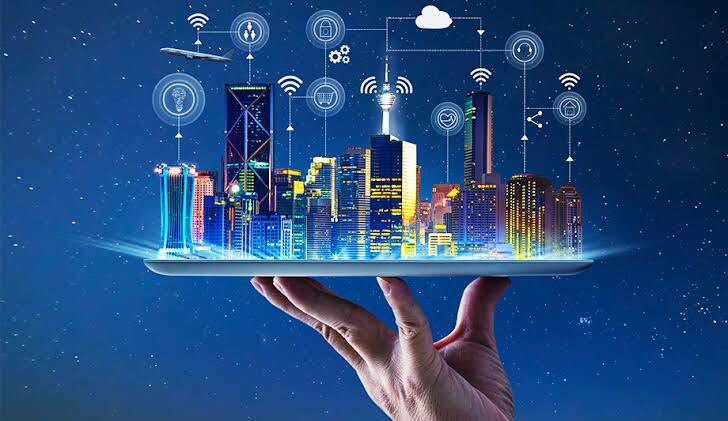
In today’s fast-paced world, ensuring the safety of commercial properties is more crucial than ever. With the advent of smart building technologies, businesses can now leverage innovative solutions to enhance security, efficiency, and overall safety.
Let’s explore how integrating these technologies, such as AI and advanced fire sprinkler inspection, can revolutionize your approach to property safety and why it’s a game-changer for the industry.
The Importance of Property Safety
Maintaining a safe environment in commercial properties isn’t just about compliance; it’s about protecting your tenants, employees, and assets. Inadequate safety measures can lead to severe consequences, including financial losses and reputational damage. Investing in smart technologies can significantly reduce risks associated with fires, unauthorized access, and other emergencies.
How Smart Technologies Enhance Fire Safety
One of the most critical aspects of commercial property safety is fire prevention and response. Smart building technologies offer advanced fire detection systems beyond traditional smoke detectors. These systems can identify early signs of fire, such as changes in air quality or temperature spikes, and alert property managers instantly.
Real-Time Monitoring and Alerts
Smart building technologies provide real-time monitoring of various safety parameters. Sensors throughout the building can detect unusual activities, structural issues, or environmental changes. These sensors communicate with a centralized system, enabling property managers to receive instant alerts and take prompt action.
For instance, if a water leak is detected, the system can immediately shut off the water supply and notify the maintenance team, preventing extensive damage. You can also automate fire sprinkler inspection, among other advanced fire safety tools. This level of proactive maintenance ensures that minor issues do not escalate into major problems.
Access Control and Surveillance
Ensuring that only authorized individuals can access specific areas of a commercial property is essential for maintaining safety. Smart business access control systems such as those developed by companies like Coram use biometric scans, key cards, or mobile apps to manage entry points effectively. These systems can be programmed to allow or restrict access based on time, role, or other criteria.
Surveillance cameras integrated with AI can monitor activities in and around the property, identifying suspicious behavior and alerting security personnel. This combination of access control and surveillance creates a robust security framework that protects people and assets.
Energy Management and Sustainability
While safety is the primary focus, smart building technologies also contribute to energy management and sustainability. Automated systems can optimize heating, ventilation, and air conditioning (HVAC) operations based on occupancy and environmental conditions, reducing energy consumption and costs.
Enhancing Communication During Emergencies
Effective communication during emergencies is crucial for ensuring everyone’s safety. Smart building technologies enable seamless communication channels, allowing property managers to disseminate information quickly and efficiently. Whether it’s an evacuation notice or a security update, these systems ensure everyone is informed in real time.
Digital signage, mobile alerts, and automated voice announcements are some tools that can be utilized to keep occupants informed. This level of preparedness can significantly reduce panic and improve the overall response during emergencies.
Predictive Maintenance for Long-Term Safety
Predictive maintenance uses data analytics and machine learning to predict when equipment will likely fail, allowing for timely repairs and replacements. This approach is far more efficient than reactive maintenance, which only addresses problems after they occur.
Predictive maintenance can help property managers ensure that all safety systems function optimally. This enhances safety and extends the equipment’s lifespan, leading to long-term cost savings.
The Future of Commercial Property Management
The future of commercial property management lies in the continued adoption of smart building technologies. These technologies will offer even more advanced features and capabilities as they evolve. Property managers who stay ahead of the curve will be better equipped to meet the demands of modern business environments.
Final Thoughts
Smart building technologies are transforming commercial property management. By leveraging these advanced tools, property managers and businesses can enhance safety, improve operational efficiency, and create more sustainable environments.
Now is the time to invest in these technologies and position your property for long-term success. If you’re ready to take the next step, explore our comprehensive resources and consult with our experts to get started on your smart building transformation today.