[Written By External Partner]
Mobile games used to be a pastime we used while waiting in lines. But as technology advanced, the availability and accessibility of competitive shooters, expansive RPGs and racing titles on mobile have completely changed mobile gaming. Smartphones have evolved into powerful handheld devices, delivering some serious gaming experiences both in single-player mode and real-time multiplayer. In 2025, mobile gaming certainly deserves its place at the table. But how did we get here?
Power in Your Pocket
Mobile gaming has experienced significant growth because of new flagship devices that contain advanced hardware capabilities. The ASUS ROG and iPhone 15 Pro, and RedMagic 9 Pro feature processors which used to be found only in high-end laptops. The displays now have 120Hz refresh rates, which deliver smooth visuals for games like Call of Duty: Mobile and Warzone Mobile.
Players today also expect active cooling systems and dedicated gaming modes, and shoulder triggers as standard features. Additionally, the combination of 16GB RAM and 1TB storage and 30-minute battery charging capability makes smartphones perform so much better than before that basic texting and scrolling functions are now background noise.
Not Just Casual, Casinos, Cloud, and Crypto
As phones gained processing power, developers started treating them like real gaming platforms, not just a backup for when you’re away from your PC. That includes casino games, which have seen a major upgrade since the early 2000s. HTML5 and responsive design meant that casinos could ditch downloads and design mobile-optimized sites that work smoothly on any device. Today, nearly every major online casino offers a mobile version, often paired with a dedicated app.
Some even go further. Reputable casinos have started launching inside messaging platforms like Telegram, offering real-time gaming with a social twist. There’s also a new trend in crypto-based mobile casinos, where platforms make it easy to jump in without paperwork. iGaming expert Viola D’Elia, there is no account needed since these casinos use blockchain technology and cryptocurrencies like Bitcoin to verify and process payments instantly, no usernames, no verification delays. It’s mobile-native gaming with near-instant access, which feels like a more natural fit for how players engage with gaming today.
Cloud Gaming and Console Crossover
Cloud services have turned mobile phones into portable portals for full console titles. Xbox Cloud Gaming and NVIDIA GeForce NOW allow users to stream high-end titles without needing top-spec hardware. Now, instead of downloading dozens of gigabytes, players can actually stream games directly through their phones using Wi-Fi 6 or 5G.
This means playing Forza Horizon 5 or Halo Infinite is now possible on a mid-tier Android or iPhone. Pair that with a controller like the Razer Kishi or Backbone, and you’re essentially holding a compact Xbox. Cross-save and cross-play options also let players jump between platforms without losing progress, something that once felt like a luxury but is quickly becoming standard.
Even more promising is the potential for true cloud-native games designed specifically for phones. These titles bring something entirely different to the table, which could be real-time multiplayer gaming with AI enhancements, or even episodic content that plays out over a certain period. Expect a new breed of games that feel built for mobile from the ground up in the future due to the cloud.
AAA Games Built for Phones
Big-name publishers aren’t just re-releasing old games with new skins. They’re building full-scale mobile-first titles. Genshin Impact, Wuthering Waves, and Call of Duty: Mobile now offer console-quality graphics and complex combat systems specific to mobile.
These titles are designed from the ground up to work well with touch controls and adaptive screen layouts. You get daily content drops, live events, massive updates, and online matchmaking you’d expect on a traditional console. Developers are finally prioritizing mobile instead of treating it as an afterthought.
These games also feature voice chat, real-time matchmaking, and consistent updates. They show what mobile is really capable of, not just technically, but experientially.
Competitive Play Is Thriving
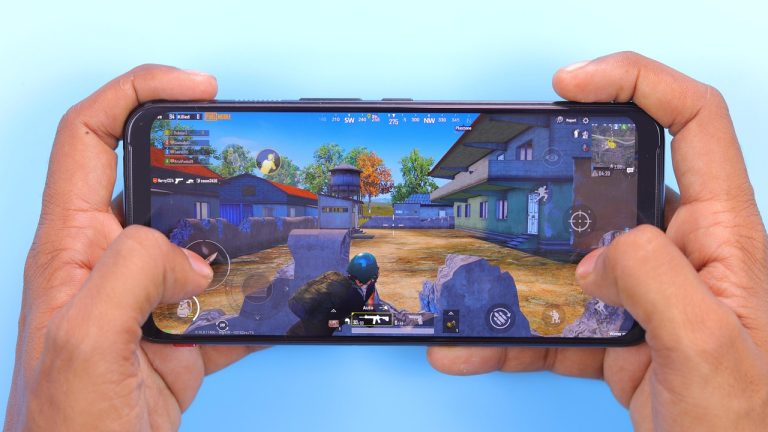
There was a time when mobile esports were dismissed. That’s no longer the case. PUBG Mobile, Mobile Legends: Bang Bang, and Clash Royale all host high-stakes tournaments with global viewership. In countries like Brazil, India, and Indonesia, mobile-first eSports are more prevalent than console gaming.
Streaming platforms have adapted, allowing creators with massive audiences to focus entirely on mobile content. Twitch, YouTube, and TikTok Live all do competitive events and mobile-first game streams daily.
Gaming orgs and sponsors are getting involved with prize pools that are growing, and production values are climbing. Mobile eSports arenas are popping up in unexpected places as well. The idea that mobile gamers aren’t serious players has completely fallen apart in 2025.
Designed for the Way People Play
Mobile phones bring more to the table than just accessibility. They’re portable, always connected, and naturally suited to short and long sessions alike. Whether it’s a 10-minute ranked match or an hour-long dungeon run, phones support it. You can play on the train, in bed, or during lunch breaks.
Touch controls have improved drastically, with gyroscope aiming, haptic feedback ensuring inclusiveness, and customizable on-screen layouts. Mobile controllers were once poorly designed, but now integrate much better.
Battery-saving game modes, background call handling, and easy app switching all make for smoother mobile gaming sessions. You can pause, switch apps, and come back without losing progress, making phones a more convenient platform than people expect.
Phones Are No Longer Secondary
No matter how you look at it, mobile gaming is no longer the “light” version of real gaming. The industry has shifted its focus. Developers are releasing high-fidelity games with long-term support and live content, and gamers are investing real time, effort, and money into mobile titles.
Even traditional gaming companies like Microsoft, Sony, and Ubisoft have all expanded their mobile divisions. Games that used to be console-only are now launching with mobile-ready editions on day one.
Hardware makers are treating mobile gaming seriously. For example, ASUS is building dedicated gaming phones, and Samsung and Apple are playing around with ray tracing on their chips. Mobile is growing, essentially forcing developers, manufacturers, and gaming companies to accommodate.
Predictions for Mobile Gaming for 2026–2027
The next two years will bring big changes to mobile gaming. Here’s what’s expected:
- Market Growth: Mobile could account for over 50% of the global gaming market by 2026, with revenue estimates topping $165 billion.
- Cloud on the Rise: Streaming services will expand access to console-quality games without requiring top-tier hardware.
- AR and VR Integration: More phones will support augmented and virtual reality, paving the way for interactive, location-based mobile games.
- Esports Expansion: Expect more tournaments, sponsorships, and integrated social features like live streams and in-game communities.
- Midcore Titles Go Mainstream: AAA developers are investing in deeper, more strategic mobile games with longer play sessions and complex systems.
- Global Growth: Adoption will spike in emerging markets across Africa, the Middle East, and Latin America.
- New Payment Models: Subscriptions, battle passes, and ad-supported access will give players more flexible options.
- AI Personalization: Games will adjust to user preferences, delivering smarter experiences through real-time analytics.
Wrapping It Up
Mobile phones now rival consoles and PCs. With hardware designed better than laptops, cloud technology having entire libraries, and developers treating mobile as a first-class gaming platform, your phone is more than just a communication tool. In 2025, mobile phones are a legitimate gaming device that has some serious upgrades in development for the coming years.